Why do two nearby stations charge such different prices?
Same country, same tax, same oil, sometimes the same street, yet two pumps can differ by 15 to 20 cents a litre. If the costs behind them are identical, where does the gap come from? And how do you make sure you always land on the cheaper one?
Same costs, different price
What the cheapest pump saves you, per litre
Diesel, within 8 km of the city centre. The cheapest station against the typical one.
across these cities
50-litre tank
1500 litres
Fillz, live station prices, measured on 2026-09-08
For two stations in the same area, the big cost blocks are essentially identical. Tax is set nationally, and the wholesale cost of the fuel is the same product from the same regional market. So the difference you see on the signs is almost entirely down to the one part each station controls: how much margin it chooses to add on top.
Location and competition set the margin
Margin is really a competition story. Where several stations sit close together, or a supermarket forecourt is fighting for your weekly shop, prices are pushed down and margins are thin. Where a station stands alone, on a motorway, at a remote junction or a place you cannot easily leave, there is little pressure to be cheap, and the price reflects that.
This is why the cheapest and dearest pumps in a city can be only minutes apart. It is not the fuel that changes, it is the amount of rivalry around each one.
Brand, services and the cost of the site
The rest is the cost of running that particular site. Rent in a prime spot, staffed forecourts, a shop, a car wash and brand overheads all have to be paid for, and often show up as a few cents more per litre. An unmanned, no-frills or supermarket station carries less of that and can price lower, which is neither better nor worse, just a different offer.
Why you cannot just memorise the cheap one
Because it moves. Stations reprice on their own schedules as wholesale costs drift and local competition shifts, so the bargain of last month can be middling today, and the one you always avoided can undercut it this week. The only way to be sure you are at the cheaper pump is to check the real prices around you at the moment you need fuel, which is exactly what Fillz shows.
Common questions
Is dearer fuel better quality?
No. All fuel of a given grade meets the same standard. A higher price reflects location, brand and services, not a better litre in your tank.
Are supermarket stations really cheaper?
Often, because fuel draws people to the shop and margins are kept thin. But not always, and not everywhere, which is why it still pays to compare rather than assume.
Why is motorway fuel so much dearer?
Little competition and a captive audience. Drivers on a motorway rarely leave to shop around, so there is no pressure to keep the price low.
Can I ask a station to match a cheaper price nearby?
Almost never, and it is not obstinacy. In most chains the price arrives from a central system and the staff have no way to alter it. Independent dealers have more freedom, but fuel margins per litre are thin enough that there is rarely room to move on a single fill.
Do prices change at a particular time of day?
Some countries see repricing cluster around certain hours, often early morning, and a few regulate when changes may happen at all. But the size of that daily movement is usually smaller than the gap between two stations at the same moment, which is why comparing where matters more than timing when.
The price is not decided at the station
It helps to know who actually sets the number, because it is almost never the person behind the counter. Large chains price by zone from a central system, watching a handful of competitors around each site and adjusting the whole zone at once. A local manager, where one exists at all, usually has a narrow band to move within and nothing more. That is why complaining at the till gets nowhere, and why two forecourts under the same brand five kilometres apart can carry different numbers on the same morning without anything being wrong.
Ownership matters just as much as branding. Many stations wearing a familiar logo are run by independent dealers who buy the fuel and set their own retail price, while the site next door with the identical sign is company owned and priced centrally. From the road they look like the same business. In pricing terms they are two different companies that happen to share a colour scheme.
What the sign does not tell you
The number on the totem is the start of the calculation, not the end. Loyalty cards, supermarket vouchers, payment method discounts and fleet cards all move the real figure, and they move it by amounts comparable to the gap between stations. Two forecourts advertising the same price can end up several cents apart once the card in your wallet is counted, and the cheaper sign is not always the cheaper fill.
The reverse trap is more common than it should be. A strikingly low price on the board sometimes carries a condition in small print: members only, that card only, or this weekend only. Reading the number without reading the condition is how people end up feeling cheated at a station that never actually lied to them.
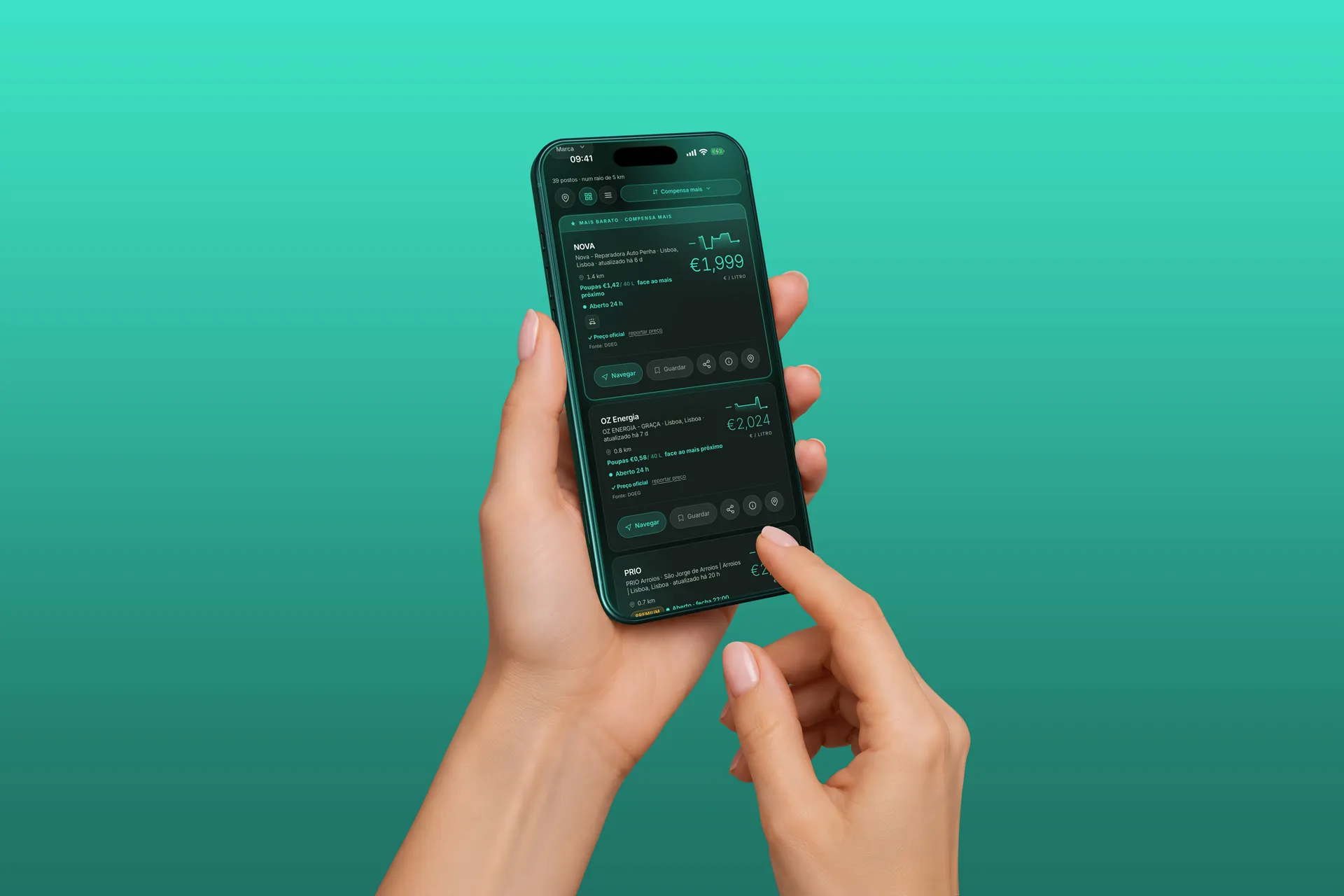
Same fuel, different price. Always land on the cheaper one.
The gap between neighbouring pumps is real money, and it has nothing to do with the fuel. Fillz shows the live prices around you so you catch the cheaper one every time, instead of guessing.
Open Fillz