Why is fuel on the motorway always so expensive?
The same tank of fuel can cost noticeably more the moment you pull off at a service station. It is not a different product, and it is not a coincidence. Here is why motorway fuel costs what it does, and how to avoid paying the premium.
A captive audience, not a different fuel
What the motorway forecourt adds
Diesel. Stations we could identify as motorway service areas by name, against every other station within 25 km of the same stretch.
service area
50-litre fill
data point the same way
Fillz, live station prices on seven motorway corridors in PT, ES, FR, IT and DE, measured on 2026-09-08. Service areas identified by name: 35 stations against 1048.
Treat that figure as an order of magnitude, not a precise one. We identify service areas by what they are called, which finds the obvious ones and misses the rest, and 35 stations is a small sample. What it does show is the direction, and every corridor with enough data agrees on it.
The diesel or petrol at a motorway services is the same product sold anywhere else. What is different is you: once you are on the motorway, leaving to shop around costs time, a detour, and sometimes a toll. Service stations know this, and price accordingly. It is the clearest real-world example of low competition pushing a price up.
The costs behind the sign are higher too
It is not only captivity. Motorway sites often pay more for the land and the concession to operate there, run longer hours with more staff, and rely on fuel and food sales from people who are not coming back tomorrow, so there is less reason to compete on price the way a station on a regular street does, where the same drivers pass every day.
How to avoid the premium
Fill up before you join the motorway. Prices in town or at the last exit before a long stretch are almost always lower. A full tank at a normal price beats a top-up at a captive one.
Check the next exits, not just the services. Stations a few minutes off the motorway, in a nearby town, often sell the same fuel for noticeably less, and a short detour there can easily beat the price at the pumps right by the road.
Know your range before you need it. Running low mid-journey forces you into whichever station is next, at whatever it charges. Planning your fill-ups removes that leverage from the price.
When paying more is still the right call
Sometimes the premium is worth it: you are genuinely low on fuel, tired and need the break anyway, or the time saved not detouring is worth more to you than the difference in price. That is a fair trade to make consciously. The problem is paying it without realising there was ever a cheaper option nearby.
Common questions
Is motorway fuel actually a different, better quality?
No. It meets the same standard as fuel anywhere else. The higher price reflects location and low competition, not a better product.
How much more does it usually cost?
It varies by country and route, but a noticeable premium over nearby town prices is common, often in the same range as the gap between any two competing and non-competing stations.
Are all service stations equally expensive?
No, some are pricier than others even along the same road. Comparing before you commit to a stop still pays off, even within a single motorway.
Is it worth leaving the motorway to save?
Sometimes, and the honest answer depends on the detour. Coming off, finding a station, queueing and rejoining can cost fifteen minutes and a few kilometres. If the gap is small, the trip erases it. If the gap is fifteen cents on a full tank, the saving survives the detour comfortably. It is a calculation worth doing rather than guessing at.
Why are some motorway prices actually reasonable?
Where a service area has a competitor in sight, or sits close to an exit with ordinary retail, the pricing power disappears and the price falls to meet it. That is the clearest evidence that the premium is about competition rather than cost.
How big the gap really is
The premium is not a rounding error. Across the countries Fillz covers, motorway service stations commonly sit ten to twenty cents a litre above town prices on the same day, and on some routes more than that. On a fifty litre fill that is five to ten in a single stop, for fuel that left the same terminal as the cheaper station you drove past fifteen minutes earlier.
Repeat that across a year of long trips and it becomes one of the larger avoidable costs of running a car. Two motorway fills a month at a ten cent premium is around a hundred and twenty a year, spent entirely on the convenience of not having planned the stop.
It is not the same everywhere
How wide the gap gets depends on where you are driving. In some countries the concession model puts a single operator on a long stretch with no competing exit, and the price reflects exactly that. In others, service areas sit close enough to ordinary retail that the premium gets squeezed. A few countries require motorway prices to be published under the same obligation as everywhere else, which at least makes the gap visible before you commit to the ramp.
This is why a rule of thumb travels badly. The habit that saves you money at home can be the wrong one two countries later, and the only reliable move is to look at the prices on the road you are actually on, rather than assume the motorway is always worse by the same amount.
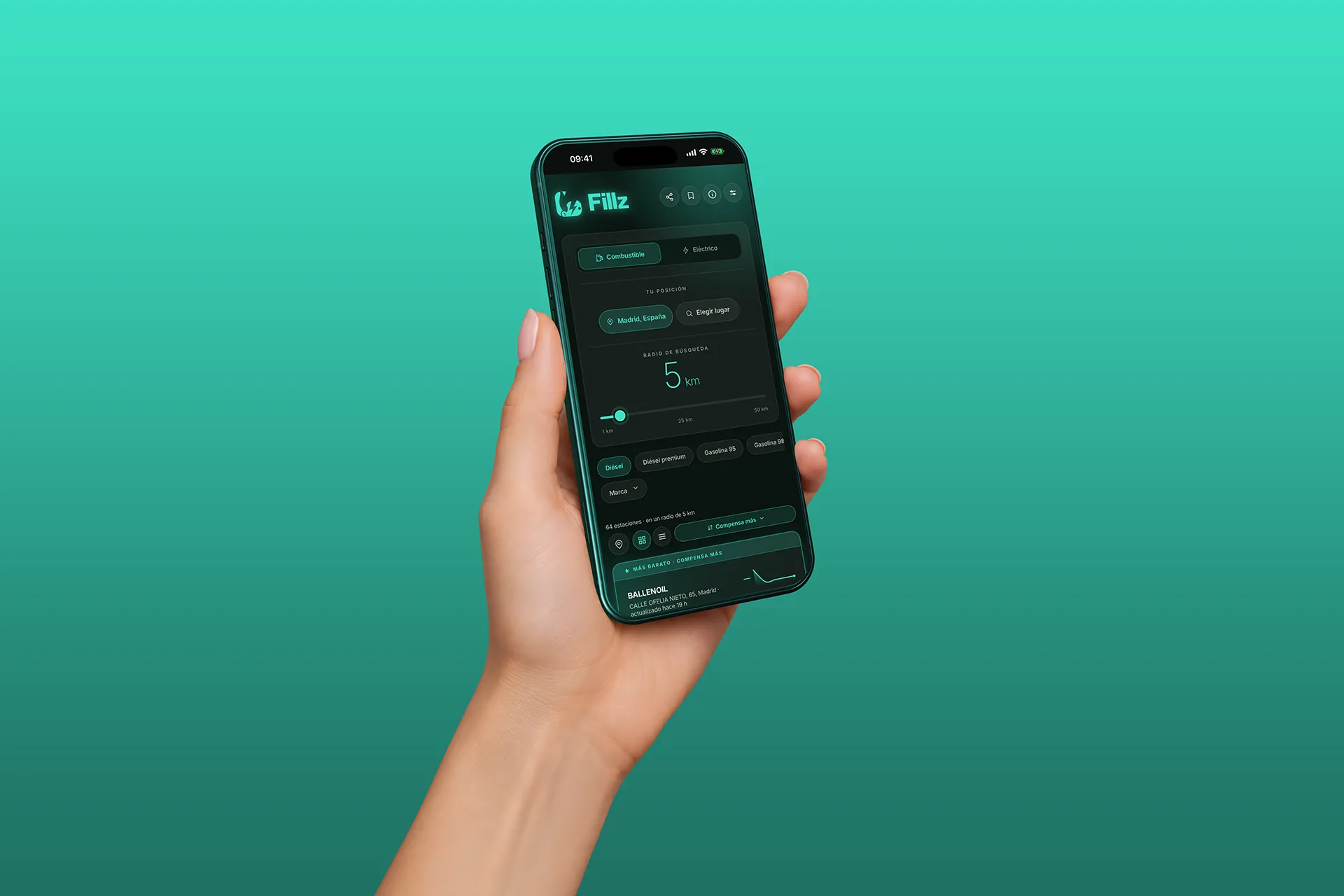
Fill up before the captive price finds you
A little planning beats paying the motorway premium every time. Fillz shows the prices in town and along your route, so you can fill up on your terms, not the service station's.
Open Fillz